
Ilham Aliyev
We believe that trust needs to be earned over years, and it can be lost with one wrong step.

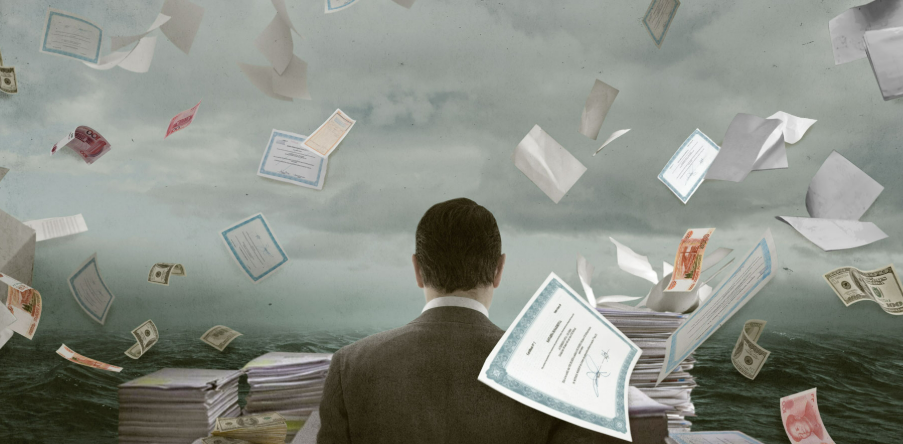
Inflation is the continuous and consistent increase in the general price level over a certain period of time. Inflation is typically measured through macroeconomic indicators such as the Consumer Price Index (CPI), Producer Price Index (PPI), or the GDP deflator. The main causes of inflation include imbalances between supply and demand in the economy, rising production costs, expansion of the money supply, and the formation of inflation expectations.
In economic theory, inflation is divided into three main categories:
Demand-pull inflation: Prices rise when demand in the economy exceeds supply. This usually occurs during periods of economic growth, high employment, and increased money circulation.
Cost-push inflation: Prices increase when production costs rise, such as higher wages, or increases in raw material and energy prices.
Monetary inflation: An increase in the money supply (for example, as a result of central bank monetary policy) leads to rising prices.
Uncontrolled inflation can lead to social uncertainty and the disruption of economic stability. Therefore, central banks aim to keep inflation at a controlled level—typically between 2–5%.
Simply put, inflation means that the prices of goods and services in the market increase over time. This means that what you used to buy with 1 manat now costs more. In other words, the value of money decreases and your purchasing power weakens. For example, bread that cost 1 manat last year may now cost 1.20 manat.
Global example: The oil crisis of the 1970s led to a sharp rise in oil prices worldwide. This caused cost-push inflation, meaning production costs increased and prices rose globally. As a result, inflation in many countries reached 10–15%.
In Azerbaijan: In the early 1990s, due to the transition economy and separation from the Soviet system, high inflation was observed. The population’s purchasing power declined sharply, and social tension increased. In the 2000s, due to oil revenues and economic reforms, inflation stabilized somewhat, but in 2015–2016, with falling oil prices, price increases re-emerged.
Devaluation is the official reduction of a national currency’s value against other currencies under fixed or semi-fixed exchange rate regimes. Devaluation is usually applied to increase competitiveness in foreign trade and improve the trade balance.
The main effects of devaluation are:
Stimulates exports: A weaker national currency makes domestic products cheaper in foreign markets, thus boosting exports.
Increases the cost of imports: Foreign goods become more expensive in national currency terms, creating additional inflationary pressure.
Increases foreign debt burden: Borrowings denominated in foreign currency become more expensive when converted into the national currency, increasing the financial burden on the state and companies.
The long-term effectiveness of devaluation depends on macroeconomic stability and institutional resilience.
In simple terms, devaluation means that the country’s currency becomes cheaper relative to other currencies. For example, if 1 dollar used to cost 1 manat, but now costs 1.5 manats, this means imported goods become more expensive, while domestic goods become cheaper in foreign markets, increasing export potential.
Global example: In the 1920s, Germany experienced hyperinflation, during which the currency rapidly lost value and underwent severe devaluation. This resulted in the near-total collapse of the monetary system and the broader economy.
In Azerbaijan: The Azerbaijani manat experienced two significant devaluations in 2015 and 2016. Falling global oil prices and declining currency reserves led to a decrease in the manat’s value. This caused imported goods to become more expensive and increased inflationary pressure.
Inflation and devaluation are important macroeconomic variables that ensure the dynamics of an economic system. Their proper management is crucial for economic stability, preserving real incomes, and ensuring sustainable development. Uncontrolled inflation creates uncertainty in the economy, reduces investment, and increases social tension. Devaluation may temporarily improve competitiveness in foreign trade, but in the long term, without institutional strength, it can increase inflationary pressures and lead to economic imbalance.
Inflation and devaluation are like the "breathing" of the economy — continuous processes with varying intensity. It is important to manage them effectively so that the value of people’s money is preserved, prices do not rise excessively, and life remains stable. Otherwise, if prices rise too quickly, people face greater difficulties and the economy weakens.
In modern economies, preventing excessive inflation and devaluation and managing them at an optimal level requires effective economic policies, strong institutions, and continuous economic reforms.

.png)