
Ilham Aliyev
We believe that trust needs to be earned over years, and it can be lost with one wrong step.

Tax — for some of us, it is the “devil’s will” that complicates life; for others, it is the pillar that holds society together. But have you ever wondered what lies behind taxation? It is far more than collecting money — sometimes, it is the force that shapes great histories and triggers major transformations.
Today, let’s explore one of the most fascinating and challenging periods in U.S. history — the fundamental changes in the tax system during the Great Depression. And this was not just the alteration of numbers; it was a turning point that reshaped society’s spirit and sense of justice.
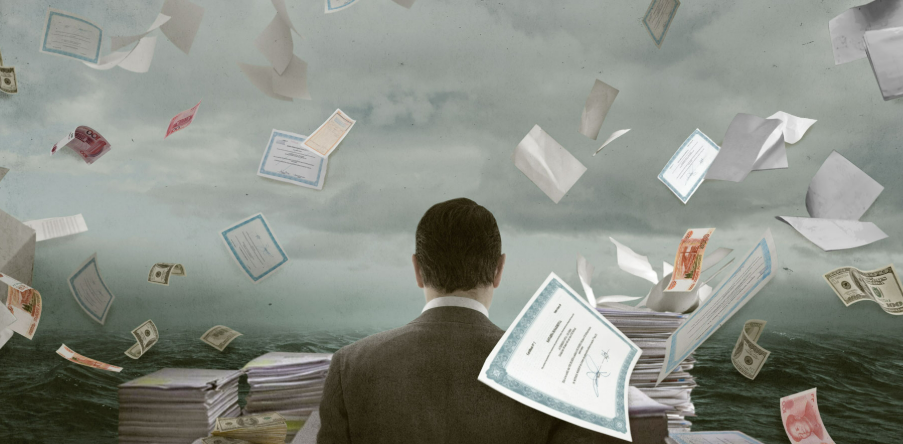
In October 1929, the world changed overnight. People did not only lose their wealth; they lost their hopes and perspectives for the future. Unemployment rose to unprecedented levels, poverty deepened, and the number of homeless people grew. When we look at the life of the ordinary American of that era, the hardships they endured still astonish and teach us today.
Interesting fact: At that time, the unemployed waited for days in long lines hoping for assistance, but often the help never reached them. Cities opened “soup kitchens” — places offering free meals — just to prevent people from starving on the streets.
The tax system of that era was shaped for the old world — a time of economic growth and emerging industrialization. But when the Great Depression struck, businesses shut down, incomes fell, and as a result, tax revenues plummeted.
And what happens when the state budget collapses?
Social programs break down, hospitals and schools struggle, and funds intended for the poor run dry. Simply put, the government was unable to say, “I will support you.”
This raises an important question:
If taxes are high but people earn less during tough times, how can they survive?
To restore stability, the U.S. government undertook bold reforms.
In 1932, the Revenue Act significantly increased taxes on high-income individuals. Many saw this as fair, though some felt it was an attempt to “take money from the wealthy.”
Interesting fact: One of the richest women of the time, Marjorie Merriweather Post, strongly opposed the new taxes and used various strategies to hide her wealth, even investing in “tax haven” countries. Yet, despite such resistance, the new policy began filling government coffers, allowing funds to be directed toward social programs.
In 1935, the Social Security Act marked the greatest revolution. For the first time, the government officially provided financial support for the elderly, disabled, and unemployed — funded through taxation.
Fact: When this law passed, many people were skeptical, asking:
“The government will take taxes from us and then pay us? What’s the point of that?”
But over the years, the program saved countless lives and restored hope for millions.
The tax reforms and social security systems introduced during the Great Depression have become fundamental pillars of the modern world. While in some countries taxation still feels burdensome, history shows that a well-structured tax system is the foundation of a strong society.
Tax is not merely a tool for filling the budget; it is a mechanism of justice and social welfare.
In severe crises, the role of the state is vital, and tax policy must support that role.
Every tax payment, whether large or small, contributes to the well-being of millions.
So next time you pay your taxes, remember this story. Instead of seeing tax as a burden, think of it as a small but meaningful contribution to the recovery and prosperity of your society.
In essence, tax is an investment we all make in our collective future.

.png)