
Ilham Aliyev
We believe that trust needs to be earned over years, and it can be lost with one wrong step.
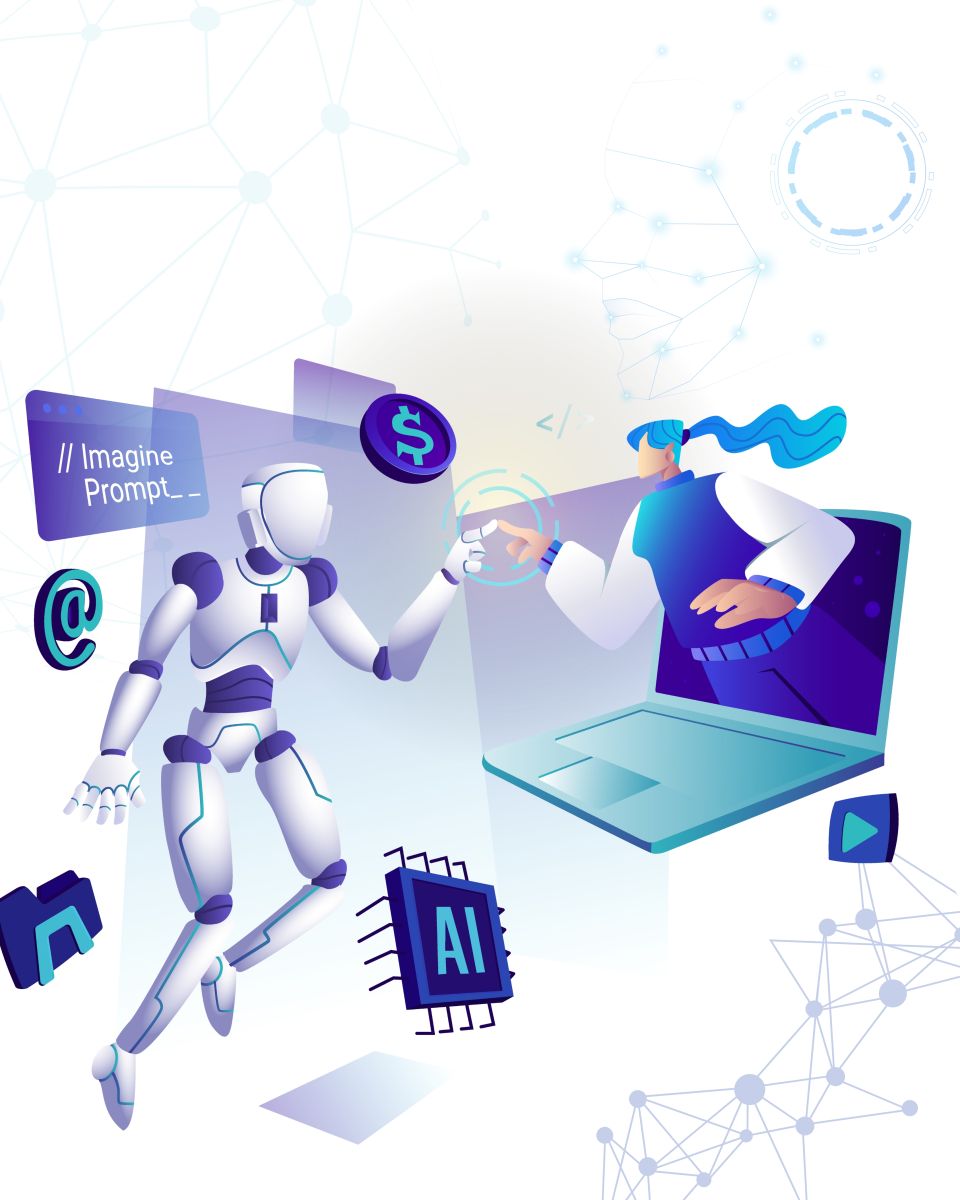
For many years, the world of accounting and bookkeeping has operated through traditional methods and human-driven processes. However, the rapid advancement of artificial intelligence (AI) is becoming a major catalyst for revolutionary change in this field. Robots now prepare reports, systems automatically fulfill tax obligations, and big data is used to generate financial forecasts. Let’s explore the key impacts AI will have on accounting and bookkeeping.
Traditional accounting involves numerous repetitive and time-consuming procedures. With the application of AI, these processes are automated, and human errors are reduced to a minimum. For example, invoice processing, data collection, and preliminary analysis can now be completed within seconds using AI tools. This allows financial teams to focus on more strategic and value-adding tasks.
AI not only automates simple operations but also has the ability to analyze large volumes of financial data and identify patterns to forecast future trends. This enables early detection of risks, optimization of costs, and more accurate investment decisions.
The integration of blockchain technology with AI ensures the immutability of financial documents and minimizes the risk of fraud. This creates trustworthy transparency for both tax authorities and businesses. In the future, real-time verification of reports and automated audit processes may also become a reality.
AI does not completely replace accountants; instead, it transforms their roles. Rather than dealing with repetitive tasks, accountants will increasingly take on analytical, strategic, and supervisory functions. Collaboration between humans and AI will become one of the main keys to business success.
The rise of AI also brings legal and ethical questions. For instance, who will be responsible for decisions made by AI systems? How will the protection and confidentiality of financial data be ensured? This makes updates in legal frameworks and regulatory standards essential.
AI represents an inevitable turning point in accounting and bookkeeping. These changes bring both challenges and significant opportunities. The key is to use AI in the right direction — ethically, responsibly, and in harmony with human expertise. Implementing new technologies will enhance transparency and efficiency in business while elevating accountants to more creative and strategic roles.
However, this transformation requires caution, continuous improvement of human skills, and preparation for emerging challenges. After all, artificial intelligence is not just a tool — it is one of the main forces shaping the future of business.

.png)