

Ilham Aliyev
We believe that trust needs to be earned over years, and it can be lost with one wrong step.
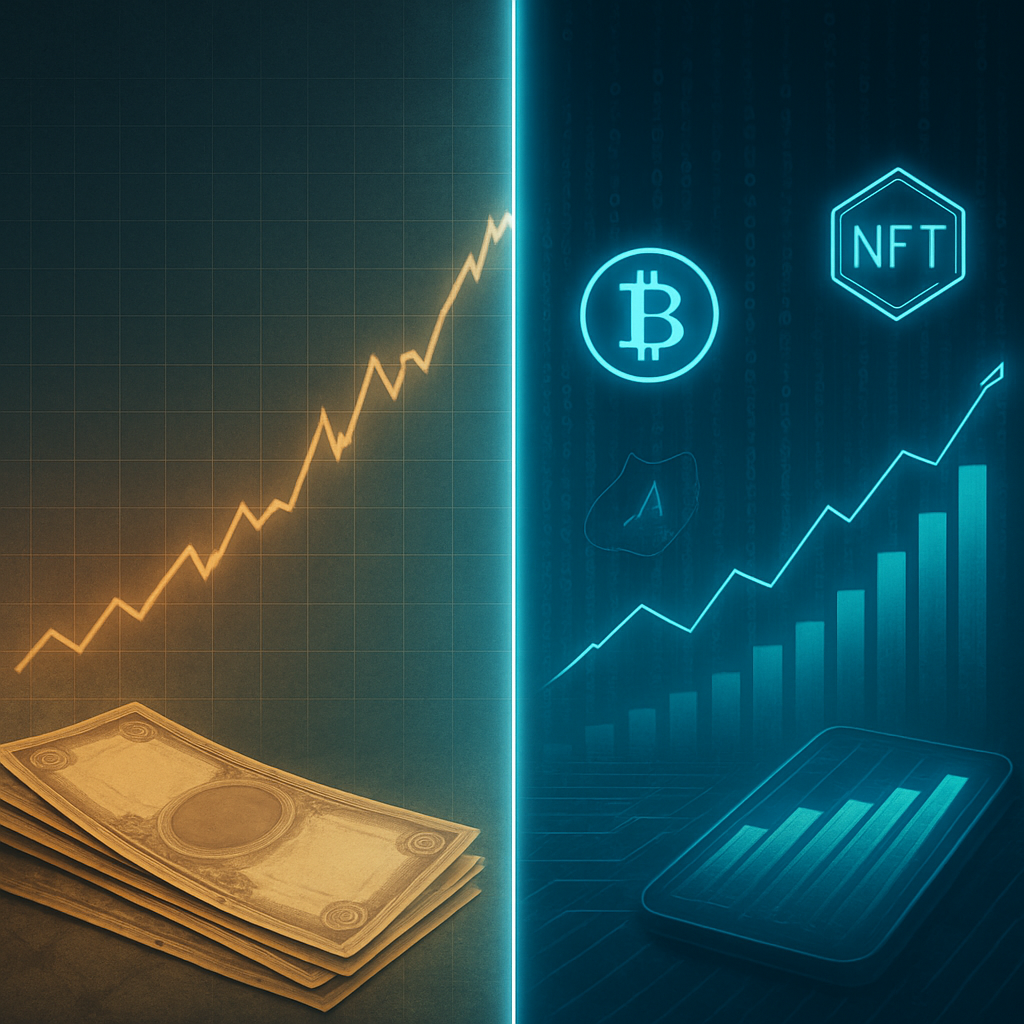
Financial markets are complex structures that ensure the dynamism of the economic system and play a vital role in attracting and efficiently using investments. They are not merely collections of numbers and charts — billions of dollars, euros, and other currencies move through these markets every day, companies grow, new jobs are created, and even ordinary people gain opportunities to increase their income with small investments.
Because they are the engine of economic growth. For example, in 2024 the daily trading volume in global stock markets reached trillions of dollars. This demonstrates how vibrant and dynamic the global economy is. Although Azerbaijan’s financial market is still in the development stage, investment funds and new financial instruments are rapidly expanding, increasing competition and transparency in the economy.
Money market provides liquidity through short-term financial instruments.
Capital market creates opportunities for long-term investments.
Foreign exchange market facilitates currency exchange in international trade.
Although each market has its own features and functions, their common goal is to provide investors and companies with the most suitable financial instruments.
A traditional investment approach to balancing risk and return is diversification — spreading investments across different instruments to reduce risks. Portfolio theory optimizes this allocation through mathematical models.
Today, two approaches are widely used:
Passive investing — tracking market indices,
Active management — analyzing market conditions to increase returns.
Each strategy has its advantages and limitations, and a successful investor chooses between them depending on market conditions.
The financial crisis of 2008 showed how crucial risk management is. Risk is not limited to market factors; investor emotions — fear, excitement, overconfidence — can amplify market volatility. Therefore, behavioral economics is an essential tool for understanding how investors make decisions.
In recent years, technological innovations such as FinTech, blockchain, and robo-advisors have expanded investment opportunities, increased transparency, and improved security in financial operations. This has created a more accessible and efficient environment for market participants.
Financial markets and investments are vital for economic development. But obtaining information alone is not enough — how that information is used, how risks are managed, and how emotional decisions are controlled ultimately determine investor success. Every investor must understand market dynamics and build a strategy suited to current conditions.

.png)